
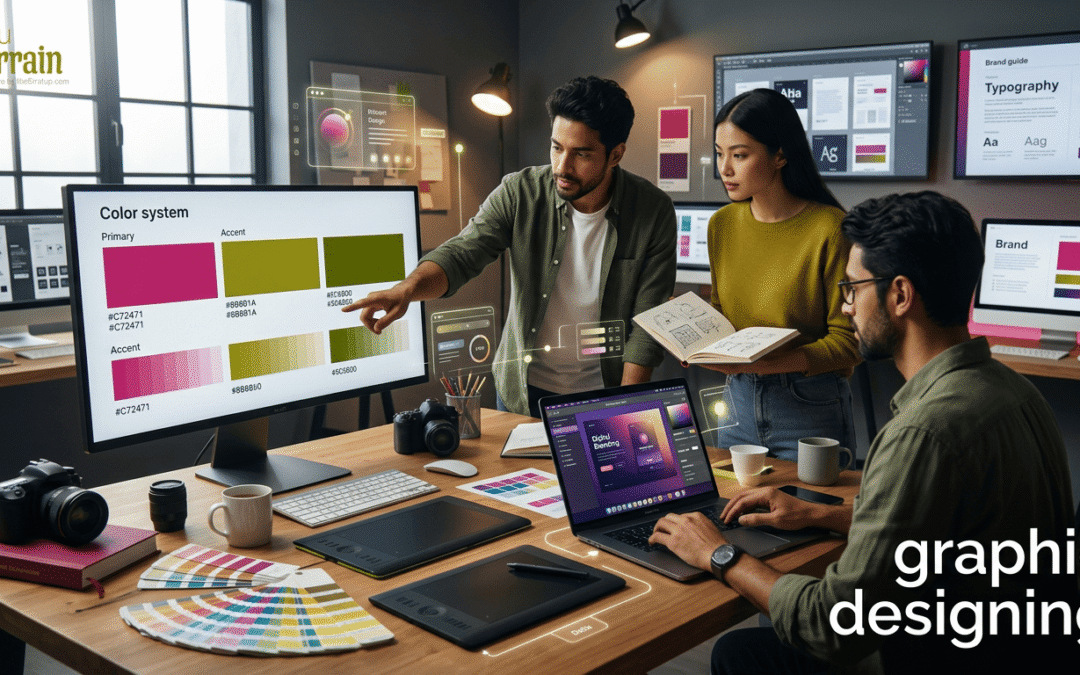
Every day, people see hundreds of visual messages. They scroll through social media posts, visit websites, watch advertisements, and notice product packaging. With so much content competing for attention, businesses need a clear way to communicate who they are and why people should remember them.
This is where graphic designing plays an important role.
Graphic design is not only about making something look attractive. It helps businesses communicate ideas, organize information, create recognition, and guide people through visual experiences.
A well-designed website can make information easier to understand. A clear social media post can quickly communicate a message. Consistent branding can help people recognize a business over time.
In this guide, we will explore how graphic designing shapes brand experiences, the important principles behind effective design, and the practical skills designers need to create meaningful visual communication.
What Is Graphic Designing?
Graphic designing is the process of using visual elements to communicate an idea or message.
Designers may work with:
- Images
- Typography
- Colors
- Shapes
- Icons
- Layouts
- Illustrations
The goal is not simply to make something visually attractive.
Good design should also make information easier to understand.
For example, a restaurant menu should help customers quickly find what they want. A website should guide visitors toward important information. A social media graphic should communicate its message clearly, even when someone is scrolling quickly.
Effective graphic designing combines creativity with communication and problem-solving.
Why Graphic Design Matters for Modern Brands
A person’s first interaction with a brand is often visual.
They may see:
- A logo
- A website
- A social media post
- An advertisement
- Product packaging
These visual elements can influence how people understand the brand.
For example, inconsistent fonts, unclear layouts, or poor-quality visuals may make a business appear less professional.
On the other hand, clear and consistent visual communication can make it easier for people to understand and remember a brand.
Good graphic design does not guarantee that people will trust a business. However, it can help a business communicate more clearly and create a stronger first impression.
The Key Elements of Effective Graphic Designing
Strong design is usually based on a few important principles.
Understanding these principles can help designers make better creative decisions.
Use Color With Purpose
Colors can influence how people perceive visual communication.
For example, some businesses may use calm and minimal colors to create a professional appearance. Others may use bright colors to create energy and attract attention.
However, colors do not have the same meaning for every audience.
Culture, industry, personal experience, and context can influence how people interpret colors.
When choosing colors, consider:
- Your target audience
- Your industry
- Your brand personality
- Readability
- Accessibility
The most important goal is consistency.
Choose Typography Carefully
Typography is more than selecting an attractive font.
It affects readability and the personality of a design.
For example:
- Large text can highlight important information.
- Smaller text can provide supporting details.
- Bold text can create emphasis.
- Consistent typography can make a design easier to recognize.
Avoid using too many fonts in one design.
A simple and consistent typography system usually makes communication easier to understand.
Create Clear Visual Hierarchy
Visual hierarchy helps people understand what they should notice first.
Designers can create hierarchy through:
- Size
- Position
- Contrast
- Spacing
- Typography
Imagine a promotional poster.
The main offer should usually be easy to notice first. Supporting information can appear next. Smaller details can be placed lower in the hierarchy.
Good graphic designing guides the viewer through information instead of forcing them to search for it.
Use Space and Layout Effectively
Empty space is not wasted space.
Spacing can make content easier to read and understand.
A crowded design can make it difficult for people to identify important information.
A clear layout helps organize:
- Headings
- Images
- Text
- Buttons
- Other visual elements
Before adding another element to a design, ask:
Does this improve the message, or does it create more clutter?
How Graphic Designing Shapes Brand Experiences
People usually interact with a brand through more than one platform.
They may:
- Discover a business through social media.
- Visit its website.
- Read an email.
- See an advertisement.
- Purchase a product.
Each interaction contributes to their overall experience.
If every platform uses completely different colors, typography, and visual styles, the brand can become difficult to recognize.
Consistent graphic designing helps create a connected experience.
For example, a brand can create guidelines for:
- Logo usage
- Colors
- Typography
- Image style
- Social media templates
This makes future communication more consistent.
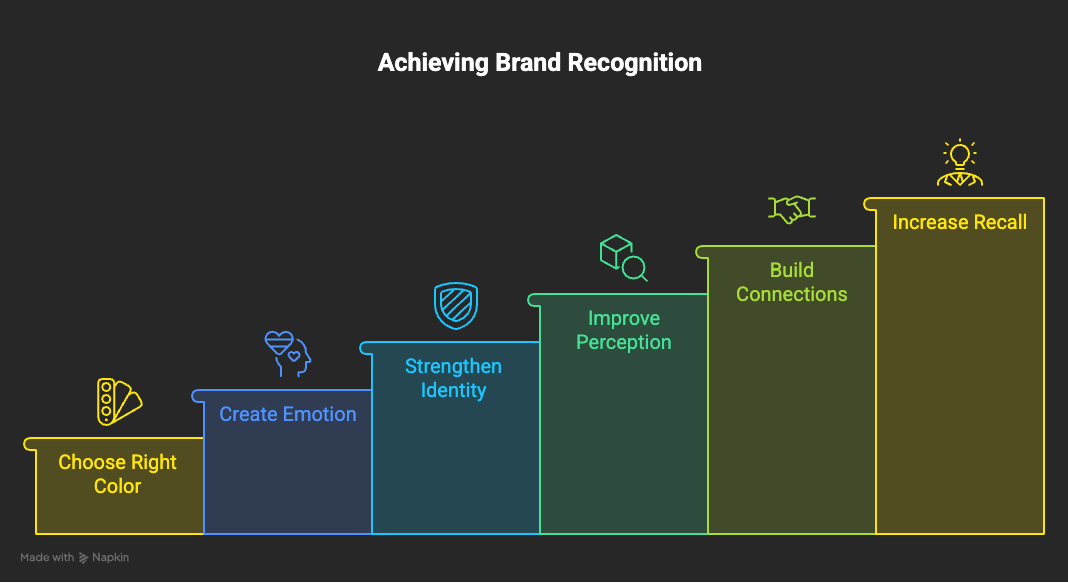
Where Businesses Use Graphic Design
Graphic design is used in many areas of modern business.
Website Design
Visual elements can help users understand a website and find important information.
Designers consider layout, typography, images, and visual hierarchy.
Social Media
Businesses use graphics to share:
- Educational content
- Promotions
- Announcements
- Brand stories
Clear and consistent visuals can help people recognize content more easily.
Advertising
Advertisements need to communicate quickly.
A good design should help people understand the message without unnecessary distractions.
Packaging
Packaging design can influence how products are noticed and understood.
It can communicate information about the product while also supporting brand identity.
Practical Skills Every Graphic Designer Should Develop
Learning graphic designing involves more than learning software.
A designer should gradually develop skills in:
- Visual communication
- Typography
- Color selection
- Layout
- Branding
- Image editing
- Design research
- Problem-solving
Technical skills are important, but understanding the purpose of a design is equally important.
Before creating something, a designer should ask:
- Who will see this?
- What should they understand?
- What action should they take?
- Where will the design be used?
These questions can help guide better design decisions.
From Creative Idea to Final Design: A Simple Process
A useful design process can look like this.
Step 1: Understand the Goal
Find out what the design needs to achieve.
For example, is the goal to:
- Inform people?
- Promote a product?
- Build brand awareness?
- Encourage an action?
Step 2: Understand the Audience
A design created for school students may look different from a design created for business professionals.
Consider the audience’s expectations and needs.
Step 3: Research and Collect Ideas
Research can help designers understand the industry and find inspiration.
However, inspiration should not become copying.
Use references to understand approaches, then create something appropriate for the specific project.
Step 4: Create and Test
Develop the design and review it.
Ask:
- Is the message clear?
- Is the text readable?
- Does the design work on the intended platform?
Step 5: Improve
Feedback can help identify problems that the designer may not notice.
Good design often improves through revision.
Modern Graphic Design Trends
Design trends continue to change as technology and audience expectations evolve.
Some areas currently influencing design include:
- AI-assisted design workflows
- Motion graphics
- Interactive visual content
- Accessible design
- Minimal and clear interfaces
- Personalized visual experiences
However, designers should not follow every trend.
A trend should support the purpose of the project.
A visually fashionable design is not useful if the audience cannot understand the message.
Strong design principles remain important even when styles change.
A Practical Checklist Before Finalizing a Design
How EduTerrain Supports Graphic Design Learners
Learning graphic designing can feel overwhelming for beginners because there are many tools, styles, and principles to understand.
A structured learning approach can make the process easier.
EduTerrain provides learning opportunities for people interested in developing creative and professional skills.
When choosing a graphic design course, look for learning opportunities that include:
- Design fundamentals
- Practical exercises
- Portfolio projects
- Feedback
- Industry-relevant tools
Practical work is important because designers improve by creating, reviewing, and improving their designs.
For learners exploring EduTerrain, reviewing the specific course syllabus can help them choose a learning path that matches their goals.
Frequently Asked Questions
1. What is graphic designing?
Graphic designing is the process of using visual elements such as typography, images, colors, and layouts to communicate ideas and information.
2. What skills do I need to become a graphic designer?
Important skills include visual communication, typography, color selection, layout, branding, creativity, and problem-solving.
3. Is graphic designing suitable for beginners?
Yes. Beginners can start by learning basic design principles and gradually develop practical skills through projects and practice.
4. Why is graphic design important for businesses?
Graphic design can help businesses communicate clearly, create consistent branding, and improve how audiences understand and recognize visual information.
5. How can I improve my graphic design skills?
Practice regularly, study design principles, analyze effective designs, create projects, and ask for constructive feedback.
6. Can EduTerrain help me learn graphic designing?
EduTerrain provides learning opportunities in creative and professional skills. Review the current graphic design course details and syllabus to see whether they match your learning goals.
Conclusion
Creating memorable brand experiences requires more than attractive visuals.
Effective graphic designing helps businesses communicate clearly, organize information, create consistent experiences, and build a recognizable visual identity.
Strong designers understand color, typography, layout, visual hierarchy, and audience needs. They also understand that a good design should solve a communication problem, not simply look attractive.
For beginners, the best way to improve is through regular practice. Start with small projects, study good design principles, ask for feedback, and continue improving your work.
With structured learning and practical experience, learners can gradually build the skills needed to create clear and meaningful visual communication.
EduTerrain can be explored by learners looking to develop creative and practical design skills through structured learning.