

Imagine learning SEO, social media marketing, Google Ads, and website analytics from videos and textbooks.
You may understand what these topics mean. But what happens when someone asks you to find keywords for a real website, create a campaign, or explain why website traffic has dropped?
This is where many beginners feel stuck.
Knowing digital marketing concepts is important, but applying those concepts is a different skill. Real work requires marketers to make decisions, solve problems, test ideas, and improve campaigns.
That is why practical digital marketing classes can be valuable for learners who want to develop job-ready skills.
A good learning program should not focus only on explaining SEO, social media, advertising, or analytics. It should also give learners opportunities to practice these skills.
At EduTerrain, learners can explore digital marketing concepts through structured learning and practical activities that help connect knowledge with real-world application.
Why Practical Skills Matter in Digital Marketing
Digital marketing changes quickly.
Search engines update their systems. Social media platforms introduce new features. Advertising tools change, and customer behaviour can also change over time.
Because of this, marketers need more than theoretical knowledge.
For example, knowing what keyword research means is useful. However, a marketer also needs to know how to:
- Find relevant search terms
- Understand search intent
- Compare keyword opportunities
- Create useful content ideas
- Improve an existing page
Practical experience helps learners understand how different digital marketing activities work together.
This is one reason employers often look for candidates who can demonstrate skills through projects, assignments, portfolios, or previous experience.
From Learning Concepts to Working on Real Projects
One of the best ways to understand digital marketing is to work on a project.
Imagine you are helping a local business improve its online visibility.
You may need to:
- Understand the business and its audience.
- Research relevant keywords.
- Review the existing website.
- Create or improve content.
- Promote the business through suitable channels.
- Track the results.
- Identify what can be improved.
This process helps learners understand that digital marketing is not a collection of separate activities.
SEO, content, social media, advertising, and analytics can often work together to support a business goal.
Good digital marketing classes should give students opportunities to understand this complete process.
Important Practical Skills Digital Marketing Learners Should Develop
A strong digital marketing foundation includes several practical skills.
Keyword Research and SEO Practice
SEO is easier to understand when learners work with a real website.
Students can practice activities such as:
- Finding relevant keywords
- Understanding search intent
- Reviewing page content
- Improving headings and metadata
- Identifying technical SEO issues
- Creating content ideas
These activities help learners understand how search engine optimization works beyond theory.
Content Planning and Creation
Content marketing is not simply about writing articles.
A useful content plan considers:
- Who the audience is
- What questions they have
- What they are searching for
- Which format is most useful
- How the content supports a business goal
Learners can practice creating blog outlines, social media content, landing page copy, and content calendars.
Social Media Marketing
Social media platforms require more than regular posting.
A marketer may need to understand:
- Content planning
- Audience engagement
- Platform selection
- Performance measurement
- Campaign objectives
Practical assignments can help learners understand why one type of content performs differently from another.
They can also learn how to review results instead of guessing what worked.
Paid Advertising and Campaign Planning
Advertising campaigns require careful planning.
Before launching a campaign, marketers need to think about:
- Campaign goals
- Target audiences
- Budget
- Ad messages
- Landing pages
- Performance measurement
A practical exercise can help learners understand how these elements work together.
Even simulated campaigns can help beginners develop decision-making skills.
Website Analytics and Performance Tracking
Marketing decisions should not rely only on assumptions.
Analytics can help marketers understand:
- Where visitors come from
- Which pages they visit
- How users interact with a website
- Which campaigns generate traffic
- Where improvements may be needed
Learning how to read and interpret data is an important part of becoming a more confident marketer.
How Practical Projects Build Confidence
Many beginners know the basics of digital marketing but hesitate when they need to apply their knowledge.
This is normal.
Confidence usually develops through practice.
For example, the first time you perform an SEO audit, you may not know where to start. After reviewing several websites, you begin recognizing common issues more quickly.
The same applies to content, advertising, social media, and analytics.
Each project teaches something new.
A practical digital marketing course should allow learners to make mistakes, review their work, and improve their approach.
This process is often more valuable than simply memorizing definitions.
Learning to Solve Real Marketing Problems
Digital marketing campaigns do not always produce the expected results.
For example:
A website may receive traffic but generate few enquiries.
A social media campaign may receive engagement but few conversions.
An advertisement may get impressions but very few clicks.
These situations require marketers to investigate the problem.
They may need to check:
- The target audience
- The message
- The keyword
- The landing page
- The campaign settings
- The user experience
This problem-solving process is an important part of digital marketing.
Practical digital marketing classes can help learners develop this mindset by allowing them to analyze situations and test possible improvements.
Learning Modern Tools Without Depending Completely on Tools
Digital marketers use many tools to support their work.
These may include tools for:
- SEO
- Analytics
- Content management
- Advertising
- Automation
- Social media management
However, learning a tool is not the same as learning marketing.
Tools can provide data and suggestions, but marketers still need to understand the information and make decisions.
For example, a tool may show a list of keywords. The marketer must still decide which keywords are relevant to the business and audience.
Good training should therefore teach both:
How to use tools and how to think strategically.
How AI Is Changing Digital Marketing Learning
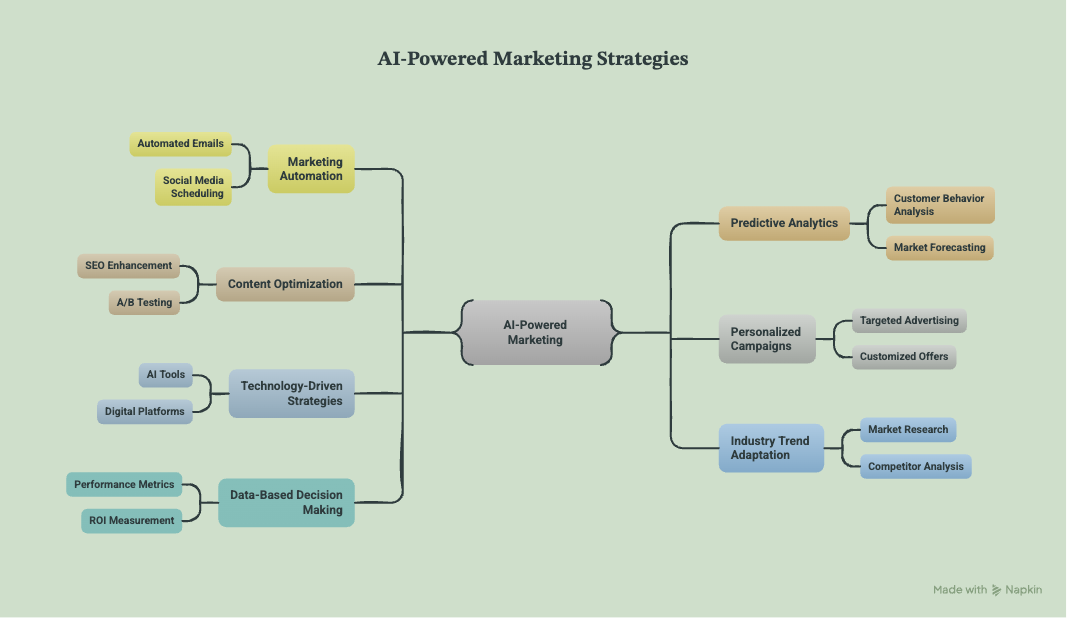
AI is becoming part of many marketing workflows.
It can help with activities such as:
- Research
- Content ideas
- Data analysis
- Automation
- Campaign optimization
- Draft creation
However, AI should support a marketer’s work rather than replace critical thinking.
Beginners should learn how to review AI-generated information, check accuracy, understand audience needs, and make responsible decisions.
The most valuable skill is not simply knowing how to use an AI tool.
It is knowing when to use it, when to verify its output, and how to improve the final result.
Building a Portfolio Through Practical Assignments
A certificate can show that someone completed a course.
A portfolio can show what they can do.
For example, a digital marketing portfolio may include:
- Keyword research projects
- SEO audits
- Content plans
- Social media strategies
- Campaign reports
- Website analysis
- Performance reports
These projects can help learners demonstrate their practical understanding.
When choosing digital marketing classes, look for opportunities to complete work that you can explain and discuss during an interview.
A strong project should show not only the final result but also:
- The problem
- The approach
- The decisions made
- What was learned
Why Communication and Teamwork Also Matter
Digital marketing is rarely done by one person.
Marketers may work with:
- Graphic designers
- Web developers
- Content writers
- Sales teams
- Business owners
Because of this, communication is an important professional skill.
A marketer should be able to explain ideas clearly, understand feedback, and work toward a shared goal.
Group projects and practical assignments can help learners develop these skills before entering a professional environment.
How to Choose the Right Digital Marketing Classes
Before joining a course, do not look only at the list of topics.
Ask practical questions.
Look for a course that provides:
- Clear learning structure
- Practical assignments
- Realistic projects
- Opportunities to use relevant tools
- Feedback on your work
- Portfolio-building opportunities
- Updated learning materials
The goal should not simply be to complete a course.
The goal should be to develop skills that you can confidently apply.
EduTerrain can be considered by learners looking for structured training and opportunities to build practical digital marketing knowledge.
Frequently Asked Questions
1. Why is practical training important in digital marketing education?
Practical training helps learners apply marketing concepts to real situations. It can improve confidence, problem-solving skills, and familiarity with marketing workflows.
2. What practical skills can I learn in digital marketing classes?
Learners may practice keyword research, SEO, content planning, social media marketing, campaign planning, website analysis, and performance tracking.
3. Can I build a portfolio while learning digital marketing?
Yes. Projects such as SEO audits, content plans, keyword research, social media strategies, and campaign reports can become useful portfolio examples.
4. Are digital marketing tools enough to become a marketer?
No. Tools can provide data and support tasks, but marketers also need strategic thinking, audience understanding, creativity, and problem-solving skills.
5. How should beginners start learning digital marketing?
Start by learning the fundamentals and then practice them through small projects. Focus on understanding how SEO, content, social media, advertising, and analytics connect.
Conclusion
Digital marketing is best understood through a combination of learning and practice.
Theory helps you understand important concepts. Practice helps you learn how to use those concepts in real situations.
From keyword research and SEO to social media, advertising, and analytics, every skill becomes easier to understand when you work on practical tasks.
The best digital marketing classes should help learners move beyond definitions and develop the ability to plan, test, analyze, and improve marketing activities.
For beginners, the journey does not need to be perfect.
Start with small projects. Make mistakes. Review your work. Learn from the results.
With consistent practice and structured learning, digital marketing knowledge can gradually become practical professional skills.