
No products in the cart.
Web Development Course for Crafting Seamless Digital Experiences
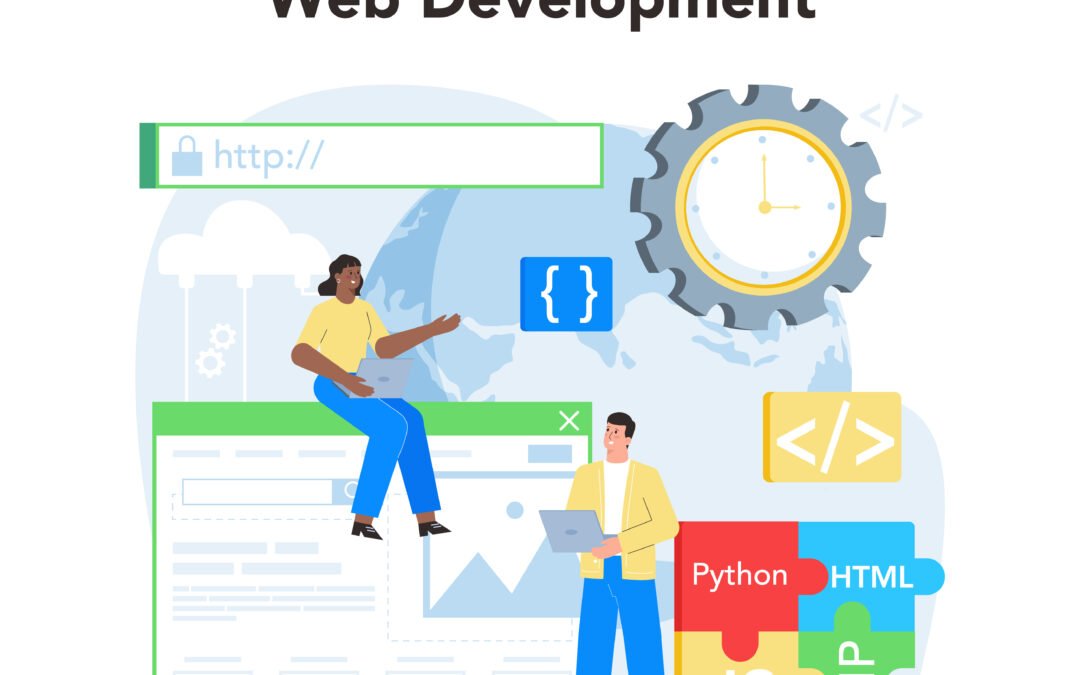
Every time you click a button, fill out a form, or scroll through a beautifully designed website, there’s a developer behind the scenes who made that experience feel effortless. That’s the magic of modern web development — and it’s a skill more valuable today than ever before. At EduTerrain, we believe that learning to build for the web isn’t just about writing code. It’s about understanding people, solving problems, and creating something that actually works when it matters most. If you’ve been thinking about enrolling in a web development course, this is the right moment to take that step.
What Makes a Web Development Course Worth Your Time and Money
Not every course is built the same way. Some dump a hundred video lectures at you and call it a curriculum. Others throw jargon at beginners and expect them to figure out the rest. EduTerrain takes a completely different approach. Our web development course is structured around real outcomes — not just concepts. From day one, you’ll be writing actual code, building actual pages, and solving actual problems that mirror what developers face in the industry every single day.
The course covers everything from the foundational trio of HTML, CSS, and JavaScript to more advanced topics like responsive design, API integration, version control with Git, and deploying live projects. Whether you’re a complete beginner or someone with a bit of background trying to level up, the curriculum is designed to meet you where you are and push you forward steadily.
The Core Skills You'll Walk Away With After Completing This Course
There’s a clear difference between someone who took a course and someone who learned from it. EduTerrain makes sure you fall into the second category. By the time you finish the web development course, you’ll be comfortable working with front-end technologies like HTML5, CSS3, Flexbox, Grid, and JavaScript ES6+. You’ll understand how the browser works, how to make your websites load faster, and how to write clean, maintainable code that other developers can actually read and build on.
Beyond the technical side, you’ll also learn how to think like a developer. That means breaking a big problem into smaller pieces, debugging without panicking, reading documentation confidently, and collaborating with teammates using industry-standard tools. These aren’t soft skills tacked on at the end — they’re woven into every module throughout the course.
Hands-On Projects That Mirror Real Industry Work
Theory alone won’t get you hired or help you build something you’re proud of. That’s why EduTerrain’s web development course is heavily project-based. You won’t just watch someone else build things — you’ll build them yourself, from scratch, with guidance that feels more like mentorship than instruction.
Projects include building a personal portfolio site, creating a fully responsive multi-page website, integrating a third-party API to display real data, and deploying a complete project to a live server. Each project adds something tangible to your portfolio, which is exactly what employers and clients look at when they’re deciding whether to work with you. By the time you graduate, you won’t have to say “I’ve been studying web development.” You’ll be able to say “here’s what I’ve built.”
Why EduTerrain Stands Apart From Other Learning Platforms
There are plenty of places online where you can find a web development course. So why choose EduTerrain? The honest answer is community and accountability. Watching tutorials alone in your room is one thing. Learning inside a structured environment where instructors respond to your questions, peers challenge your thinking, and milestones keep you moving forward — that’s an entirely different experience.
EduTerrain combines self-paced flexibility with live support sessions, peer reviews, and a dedicated mentor for every learner. You’re never stuck waiting days for an answer when you hit a roadblock. The instructors at EduTerrain aren’t just educators — they’re working professionals who bring current, real-world context to every lesson. When industry practices shift, the curriculum reflects that quickly, so you’re always learning what’s actually relevant.
From Beginner to Job-Ready: The Learning Path Explained
The EduTerrain web development course follows a logical, well-paced progression. It starts with the absolute basics — understanding what a browser does, how websites are structured, and how to write your first lines of HTML. From there, learners move into styling with CSS, then into making pages interactive with JavaScript. The middle section of the course introduces frameworks and tools that modern developers rely on, including an introduction to React for building dynamic user interfaces.
The final stretch focuses on backend fundamentals, working with databases, and understanding how a full web application comes together from front to back. By the end, learners have a genuine understanding of the full development lifecycle — not just a surface-level familiarity with a few tools. This comprehensive path is what makes EduTerrain’s approach effective for people who are serious about transitioning into tech or growing within it.
How Flexible Learning Fits Into a Busy Life
One of the biggest reasons people delay learning new skills is time. Between work, family, and everything else, carving out hours for a course feels unrealistic. EduTerrain designed this web development course with that reality in mind. The curriculum is modular, meaning you can work through it at your own pace without losing momentum. Lessons are broken into digestible segments that you can fit into a lunch break, an evening, or a weekend session.
That said, consistency matters more than intensity. EduTerrain’s learning dashboard helps you track your progress, set weekly goals, and stay accountable without feeling overwhelmed. Most learners complete the course within three to five months while maintaining their existing commitments — and many report that the structured approach actually made it easier to stay consistent than learning on their own.
Conclusion
The internet isn’t slowing down, and neither is the demand for people who know how to build for it. Whether you’re looking to start a new career, add skills to your existing role, or finally bring your own ideas to life online, a web development course from EduTerrain gives you the knowledge, the practice, and the support to make that happen. This isn’t about memorizing syntax — it’s about becoming someone who can look at a blank screen and build something meaningful from it. EduTerrain is ready to help you get there.
If there’s one thing we’ve seen consistently across thousands of learners, it’s that the people who commit to structured, project-based learning are the ones who actually make the shift. The ones who dabble and drift rarely get to the finish line. But when you have a clear path, real projects, and people in your corner, the finish line becomes a starting line for everything that comes next. The web development course at EduTerrain is that path — and the next step is yours to take.
Frequently Asked Questions
Q1: Do I need any prior coding experience to join EduTerrain's web development course?
Not at all. The course is built to welcome complete beginners and ease them into the material gradually. If you can use a computer and browse the internet, you have everything you need to get started. The early modules assume zero background and build your foundation step by step before moving into more advanced territory.
Q2: How long does it take to complete the web development course at EduTerrain?
Most learners complete the course in three to five months, dedicating around eight to ten hours per week. However, since the course is self-paced, you can move faster or slower depending on your schedule and how much time you can realistically commit. There’s no expiry on your access, so you won’t feel rushed.
Q3: Will I receive a certificate after finishing the course, and does it hold value with employers?
Yes, EduTerrain provides a certificate of completion that you can share on LinkedIn and include in your resume. More importantly, the portfolio projects you build throughout the course serve as the most compelling proof of your skills. Employers care far more about what you’ve actually built than the name on a certificate, and EduTerrain makes sure you finish with both.