
Imagine a student who has spent months learning marketing concepts from textbooks and online videos. They understand terminology such as SEO, social media marketing, analytics, and paid advertising. However, when asked to create a real campaign, analyze performance data, or optimize a website for search engines, they hesitate. The gap between knowing a concept and applying it effectively becomes immediately visible.
This scenario highlights a challenge faced by many aspiring marketers. While theoretical knowledge provides a foundation, practical experience transforms that knowledge into professional competence. In today’s rapidly evolving digital economy, businesses seek professionals who can solve problems, manage campaigns, and deliver measurable results rather than simply explain marketing concepts.
This is why Digital Marketing Classes that emphasize practical training have become increasingly valuable. At EduTerrain, learners are encouraged to gain hands-on experience alongside theoretical understanding, helping them develop the confidence and expertise required for real-world success.
Why Modern Employers Value Practical Skills Over Theory Alone
The digital marketing industry moves quickly. Search engine algorithms change, advertising platforms introduce new features, and consumer behavior evolves constantly. Employers understand that professionals must be capable of adapting to these changes while executing effective strategies.
Consider a company hiring a marketing executive. Two candidates may possess similar educational qualifications, but one has managed live projects, worked with marketing tools, and analyzed campaign data. The employer is naturally more inclined to select the candidate who has demonstrated practical capabilities.
This is where Digital Marketing Classes create meaningful value. By combining knowledge with application, learners develop skills that align with current business expectations. Practical exposure helps individuals understand how marketing functions in real environments rather than remaining limited to theoretical discussions.
Transforming Learning Into Action Through Real Project Experience
One of the most effective ways to develop marketing expertise is through project-based learning. Working on actual campaigns helps learners understand how different marketing channels interact and contribute to business objectives.
Imagine creating a content strategy for a local business. The process involves audience research, keyword analysis, content planning, optimization, and performance tracking. Each step requires decision-making and strategic thinking that cannot be fully understood through theory alone.
High-quality Digital Marketing Classes often incorporate practical projects that simulate real business situations. These experiences help learners build confidence while developing the ability to solve marketing challenges independently.
As projects become more complex, learners gain a deeper understanding of how successful campaigns are planned, executed, and optimized.
Building Confidence Through Hands-On Marketing Activities
Confidence is one of the most important outcomes of practical learning. Many beginners understand marketing concepts but feel uncertain when applying them in professional situations.
Hands-on training creates opportunities to practice skills repeatedly until they become familiar. Whether managing social media campaigns, conducting keyword research, creating advertisements, or interpreting analytics reports, practical experience reduces uncertainty.
Through structured exercises and guided implementation, Digital Marketing Classes help learners become comfortable working with real marketing tools and platforms. This confidence often becomes a major advantage during interviews, internships, and workplace projects.
Professionals who trust their abilities are more likely to take initiative and contribute effectively to organizational goals.
Developing Job-Ready Skills Through Modern Marketing Platforms
Marketing professionals rely on a variety of digital tools to manage campaigns, monitor performance, and improve customer engagement. Knowledge of these tools has become an essential requirement for many roles.
Businesses expect marketers to understand analytics platforms, content management systems, advertising dashboards, automation tools, and customer relationship management software. Familiarity with these technologies improves productivity and decision-making.
Practical-focused Digital Marketing Classes introduce learners to industry-standard tools through guided exercises and real-world applications. Rather than simply learning what a tool does, students learn how to use it to solve business challenges and achieve measurable outcomes.
This hands-on exposure increases workplace readiness and strengthens professional credibility.
Why Live Campaign Exposure Improves Problem-Solving Abilities
Marketing rarely follows a predictable path. Campaigns may perform differently than expected, audience behavior can change unexpectedly, and new opportunities may emerge during execution.
Successful marketers learn how to identify challenges, analyze situations, and implement solutions efficiently. These abilities are developed through experience rather than observation alone.
For example, a learner managing a practice advertising campaign may discover that an audience segment is not responding effectively. They must investigate performance data, adjust targeting settings, and test alternative approaches to improve results.
Many Digital Marketing Classes incorporate live or simulated campaigns that help learners develop this critical problem-solving mindset. Such experiences prepare them to handle real business scenarios with greater confidence and adaptability.
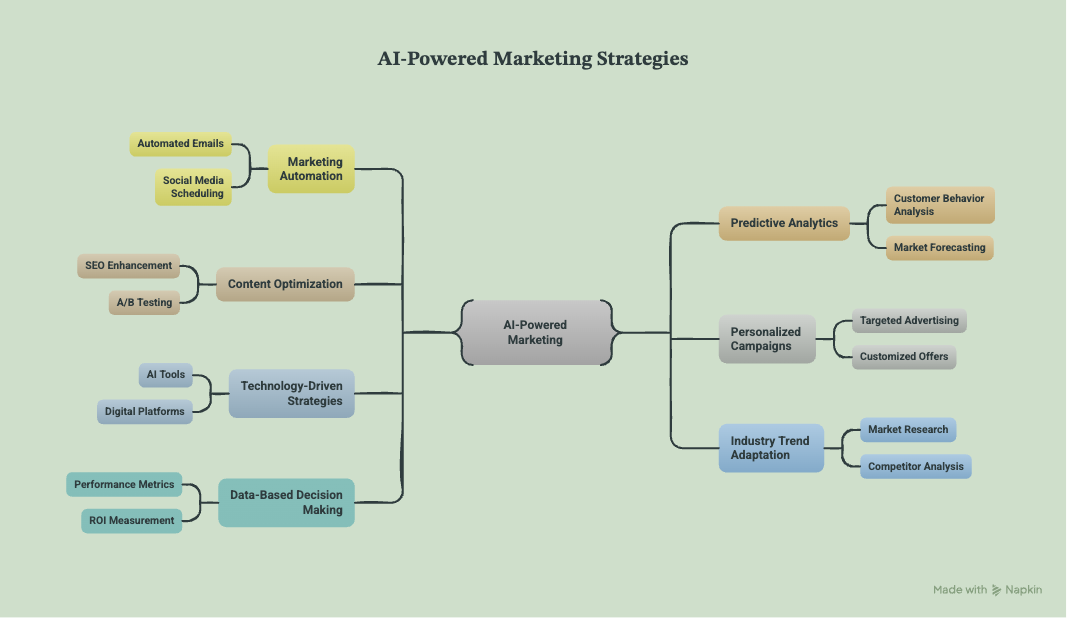
Adapting to AI and Emerging Marketing Technologies Effectively
- Explore AI-powered marketing tools and technologies
- Learn automation techniques for improved efficiency
- Understand predictive analytics for smarter marketing strategies
- Gain experience with content optimization platforms
- Develop skills in personalized customer engagement
- Build practical expertise in emerging digital marketing technologies
- Adapt quickly to evolving industry trends and innovations
- Enhance strategic decision-making through technology-driven insights
Developing Industry-Ready Portfolios Through Practical Assignments
Employers often evaluate candidates based on evidence of capability rather than qualifications alone. Portfolios provide tangible proof of skills and accomplishments.
A strong marketing portfolio may include SEO projects, content strategies, campaign reports, social media plans, and analytics dashboards. These examples demonstrate the ability to apply knowledge in practical situations.
Project-driven Digital Marketing Classes help learners build portfolios that reflect their understanding and experience. Rather than presenting only certifications, candidates can showcase real work that highlights their problem-solving abilities and strategic thinking.
This approach strengthens credibility and improves career opportunities.
Learning Collaboration and Communication in Marketing Projects
Marketing is rarely a solo activity. Professionals often collaborate with designers, developers, content creators, sales teams, and business stakeholders.
Practical training encourages teamwork and communication while exposing learners to collaborative workflows. Working with others on projects helps develop interpersonal skills that are essential in professional environments.
Through group assignments and collaborative activities, Digital Marketing Classes prepare learners for workplace dynamics. They learn how to present ideas, provide feedback, coordinate efforts, and contribute effectively within teams.
These skills complement technical expertise and contribute to long-term career success.
How Practical Training Creates Long-Term Career Advantages
The benefits of practical learning extend far beyond course completion. Individuals who gain hands-on experience often transition into professional roles more smoothly because they already understand industry processes and expectations.
Employers value candidates who require minimal onboarding and can contribute quickly. Practical experience demonstrates readiness, adaptability, and initiative.
A well-designed Digital Marketing Classes program equips learners with technical knowledge, project experience, analytical skills, and professional confidence. These qualities collectively create a strong foundation for long-term growth.
As careers progress, the ability to apply knowledge effectively often becomes more important than the ability to simply recall information.
Conclusion
The digital marketing industry demands professionals who can translate knowledge into action. While theoretical learning remains important, practical experience is what truly prepares individuals for real-world challenges and opportunities.
From working on projects and managing campaigns to using industry tools and analyzing performance data, hands-on training develops the skills employers value most. Practical learning builds confidence, improves problem-solving abilities, strengthens professional credibility, and enhances career readiness.
EduTerrain recognizes that successful learning extends beyond classroom concepts. By emphasizing practical application, industry exposure, and real-world experience, learners gain the expertise needed to thrive in today’s competitive marketing landscape.
For anyone seeking meaningful career growth, practical training remains one of the defining characteristics of truly successful Digital Marketing Classes.
Frequently Asked Questions
1. Why is practical training important in digital marketing education?
Practical training helps learners apply marketing concepts in real-world situations, develop confidence, gain experience with industry tools, and build job-ready skills.
2. How do practical projects improve digital marketing skills?
Projects allow learners to work on real marketing challenges, understand campaign execution, analyze performance data, and develop problem-solving abilities.
3. Can practical training improve career opportunities in marketing?
Yes. Employers often prefer candidates with hands-on experience because they demonstrate readiness, adaptability, and the ability to contribute effectively from the beginning.